January 23, 2026
Homeowners throughout Cape Cod, MA and the surrounding areas know how quickly coastal weather, salt air, saturated soil, and seasonal storms can turn mature trees from charming assets into serious liabilities. When large limbs hang over roofs, roots creep toward foundations, or weakened trunks sway in high winds, the risks escalate fast. Professional services focus on identifying and eliminating those dangers before they cause expensive or dangerous outcomes. In this article, we explore the most important ways expert tree removals protect your property, reduce liability, and preserve long-term value—especially when performed by licensed and insured crews who understand local conditions.
1. Prevent Structural Damage
Roots are relentless. As they expand underground, they can shift soil, crack concrete slabs, and slowly compromise foundations, retaining walls, and basement footings. Professionals evaluate root direction, proximity to structures, and soil saturation to determine when a tree is creating unacceptable pressure on critical parts of the home. Removing the offending specimen before damage progresses can save property owners from massive structural repair bills.
Above ground, overhanging branches present equally serious threats. Cape Cod windstorms and heavy snow loads routinely snap limbs that extend over roofs, decks, and siding. Experienced crews remove unstable canopy sections in controlled stages so that roofing systems, windows, and gutters remain intact. This type of proactive tree removals planning reduces emergency calls after storms and protects a home’s outer shell.
Drainage systems also suffer when trees are left unchecked. Leaves clog gutters, branches scrape shingles, and water spills down siding or pools near foundations. Technicians identify canopy growth patterns that contribute to runoff problems and remove problem trees or limbs before moisture causes rot, mold, or erosion.
Declining or storm-damaged trees also demand close attention. According to Today’s Homeowner, a tree should be removed when more than 50% of it is damaged or decayed, highlighting just how quickly risk can escalate. Arborists inspect internal rot, trunk cracks, and canopy loss to decide when removal is the only responsible choice.
2. Increase Property Safety
One of the most immediate benefits of professional intervention is reducing the chance of falling limbs. Deadwood and structurally compromised branches often look harmless until strong winds or heavy snowfall bring them crashing down over patios, vehicles, and entryways. Routine evaluations identify these hazards early, allowing crews to resolve them before injuries or claims occur.
Diseased or pest-infested trees also become unstable over time. Fungal growth, hollow trunks, and root deterioration weaken structural integrity, sometimes invisibly from the outside. Through thorough inspections, specialists determine when preservation is no longer safe and when strategic
tree removals
are necessary to protect people and buildings nearby.
Families benefit greatly from this approach. Yards where children play or guests gather should never include leaning trunks or cracked limbs overhead. Professionals remove threats around swing sets, walkways, and outdoor seating areas so homeowners can enjoy their property without constant worry.
Electrical hazards are another major concern in residential neighborhoods. Branches contacting power lines can spark fires or trigger outages during storms, and attempting to handle these situations without training is extremely dangerous. Certified crews use specialized techniques and equipment to work safely around utilities, protecting both the home and surrounding infrastructure.
3. Enhance Curb Appeal Through Risk Reduction
While safety and protection come first, appearance often improves naturally when hazardous trees are addressed. Properties burdened by leaning trunks, broken limbs, or overcrowded growth can appear neglected or unsafe to visitors and neighbors. Removing those elements immediately creates cleaner sightlines and a more polished look.
Professionals evaluate spacing, light exposure, and long-term growth habits to determine when certain trees are detracting from the overall presentation of the home. Strategic tree removals eliminate visual clutter, restore balance to the yard, and prevent future conflicts with structures, fencing, and access points.
Seasonal storm damage also takes a toll on aesthetics. Split branches, uprooted trunks, and shattered canopies make properties look distressed long after the weather clears. Rapid response from trained crews removes debris, stabilizes surrounding trees, and returns the property to a neat, orderly condition.
4. Increase Property Value
Real estate professionals consistently note that visible hazards reduce buyer confidence. Cracked sidewalks, branches hanging over roofs, or obvious root damage signal future expenses and can stall negotiations or lower offers. Professional services correct these issues before listings go live, positioning properties as safer, better-maintained investments.
Removing unstable trees also prevents long-term depreciation tied to hidden structural problems. Foundation shifts, drainage failures, and roof damage caused by falling limbs can quietly erode a home’s worth if left unresolved. Proactive tree removals eliminate those threats and protect the underlying integrity of the structure.
Outdoor usability improves as well. Clearing dangerous growth opens access to driveways, walkways, and yards, allowing buyers to envision functional, worry-free spaces rather than looming maintenance projects. Increased sunlight and unobstructed sightlines further enhance livability and appeal.
5. Promote Environmental Stability
Although removing trees may sound counterintuitive from an ecological standpoint, selective action often strengthens the overall environment. Overcrowded or failing specimens compete for water and nutrients, weakening surrounding plants and destabilizing soil. Professionals evaluate which trees threaten the ecosystem and which should remain, using tree removals to restore balance rather than strip coverage indiscriminately.
Healthy soil depends on stable root systems and proper drainage. When failing trees uproot or erode surrounding ground, they create runoff patterns that damage lawns, foundations, and nearby waterways. Eliminating unstable trees before collapse helps preserve soil structure and reduces sediment displacement during heavy rain.
Air quality and wildlife habitats benefit too. Strong, well-spaced trees filter pollutants more efficiently and provide safer nesting areas than overcrowded, diseased growth. Removing compromised specimens allows healthier trees to thrive, supporting birds and beneficial insects without the constant risk of collapse.
6. Save Time, Money, And Liability
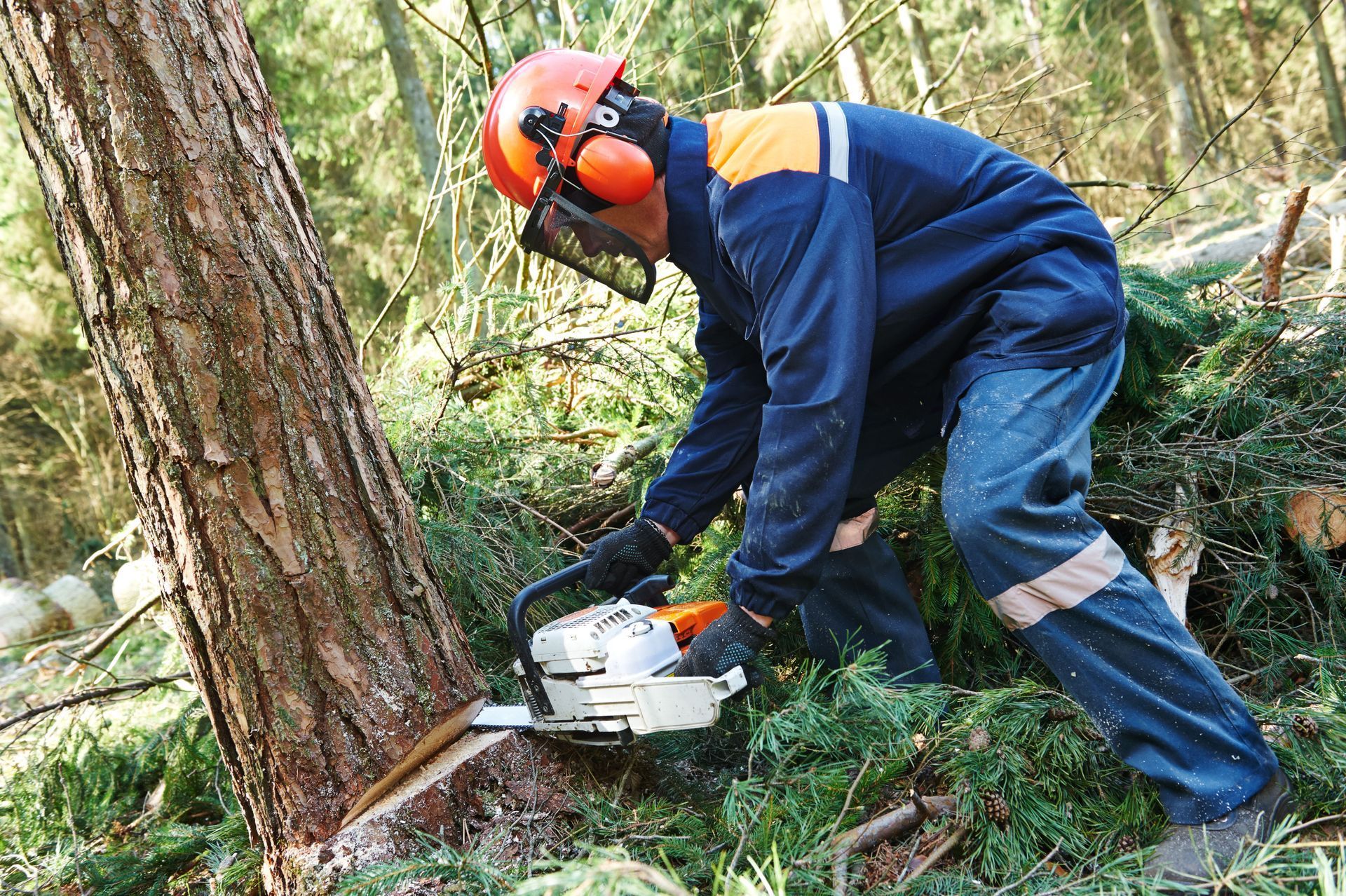
Attempting major tree work without training is one of the fastest ways to turn a weekend project into an emergency call. Falling limbs, unstable trunks, and improper cutting techniques frequently result in property damage or personal injury. Professional crews follow strict safety protocols, reducing exposure to costly accidents.
Specialized equipment separates expert operations from guesswork. Cranes, rigging systems, and precision cutting tools allow technicians to dismantle large trees piece by piece, even in tight coastal yards or near structures. These controlled methods make tree removals faster, safer, and far less disruptive to surrounding property.
Expert assessments also prevent unnecessary work. Rather than removing trees indiscriminately, professionals identify which specimens can be preserved through trimming and which pose unavoidable threats. This targeted approach saves money and ensures long-term stability rather than repeated emergency interventions. Timely action ultimately protects budgets. Addressing hazards early avoids roof repairs, cracked foundations, insurance claims, and storm-related cleanup costs that can far exceed the price of preventative service. Doing the job right the first time preserves both property value and peace of mind.
Professional tree care plays a critical role in protecting structures, preventing injuries, supporting environmental health, and maintaining the long-term worth of a home. This is especially true in coastal communities where weather magnifies risk. When warning signs appear, swift and knowledgeable intervention can make the difference between routine maintenance and catastrophic damage.
If your property shows signs of hazardous growth, Tree Busters is ready to help. Serving Cape Cod, MA and surrounding areas, our licensed and insured team provides pruning and trimming, tree removals, stump grinding, landscape maintenance, hardscaping and masonry, snow removal, and firewood services designed to safeguard homes year-round. Contact Tree Busters today to schedule an evaluation and protect your property before small problems turn into major ones.