September 8, 2026
Tree removal can become necessary for several reasons, from storm damage and disease to hazardous growth patterns or changes to a property's landscape. Understanding why a tree may need to be removed, what the process can involve, and which related services may be useful can help homeowners make informed decisions about their properties. According to IBISWorld, the American landscaping industry is worth $176.7 billion in 2026.
1. Common Tree Removal Reasons
Recognize Tree Health Concerns
The health of a tree can be an important consideration when determining whether removal is appropriate. Diseased, dead, or dying trees may become hazards, particularly when they are near structures or other areas of the property. Disease can also spread to nearby vegetation, making timely attention important when considering local tree removals.
Visible changes in a tree's condition can indicate that professional attention may be needed. When a tree has significant health problems or has become compromised, removal may be considered to address potential hazards and protect the surrounding property. A professional assessment can help determine whether local tree removals or another form of tree care is appropriate for the property.
Removing a diseased tree may also help prevent the problem from affecting nearby vegetation. Professional tree services can assess the situation and determine an appropriate course of action based on the tree and its surroundings. This can help property owners decide whether local tree removals are appropriate or whether another tree service may address the concern.
Address Safety Hazards
Trees can become safety hazards when they are damaged, leaning, or otherwise unstable. Storms can create additional risks by breaking branches or damaging trees. Split trunks, hanging branches, and dangerous leaning can all be reasons to consider local tree removals.
The location of a tree also matters when evaluating potential hazards. A damaged or hazardous tree near a home, driveway, utility area, or other frequently used portion of a property can create additional concerns. Removing the tree can help address these hazards and reduce the potential for property damage.
Roots can also create problems when they affect foundations, driveways, or other areas of a property. In these situations, property owners may need to consider whether tree removal or another tree service is appropriate for the circumstances. A professional assessment can help identify the service that fits the property's needs.
2. Thorough Tree Evaluations
Watch for Disease or Decay
Visible signs of disease or decline can be important when deciding whether a tree requires removal. Dead or dying trees may become hazards, while disease can spread to other vegetation. Paying attention to changes in a tree's condition can help property owners recognize when professional tree services may be needed.
When a tree appears compromised, a professional assessment can help identify potential hazards and determine an appropriate course of action. Depending on the tree's condition, removal may be considered when leaving it in place could create safety or property concerns. This assessment can help property owners determine whether local tree removals are necessary.
Not every tree-care concern necessarily requires complete removal. Depending on the circumstances, trimming or pruning may address certain issues while allowing the tree to remain on the property. Considering these options can help property owners select an appropriate form of tree care.
Assess Structural Damage
Structural damage can be an important consideration when determining whether a tree should be removed. Leaning trees, split trunks, hanging branches, and other visible damage can create hazards, particularly when a tree is close to a structure or other areas where people spend time. These conditions can warrant professional attention before a decision is made.
Professional tree services can help property owners assess potentially hazardous trees and determine an appropriate approach. When a damaged tree presents a significant risk, removal may help address the hazard and protect the surrounding property. The circumstances can help determine whether local tree removals or another service is appropriate.
Storm damage can make these concerns more urgent. Trees affected by severe weather may require prompt attention, especially when broken branches or other damage create immediate hazards. Addressing visible damage can help property owners determine what type of tree service the property requires.
3. Practical Tree Removal Steps
Start With an Assessment
The tree removal process begins with assessing the tree and the surrounding property. Factors such as the tree's condition, location, and potential hazards can help determine the appropriate approach. A professional assessment also gives property owners an opportunity to discuss related services that may be needed.
Depending on the circumstances, related services can include stump grinding, stump removal, debris hauling and cleanup, or site restoration. Discussing these needs before work begins can help property owners understand the scope of the project. It can also help identify services that may be useful after the tree itself has been removed.
Considering the complete project can make planning easier for property owners. Tree removal may be followed by stump services or cleanup depending on the condition of the property. Understanding these needs in advance can help create a more organized approach to the work.
Complete the Removal
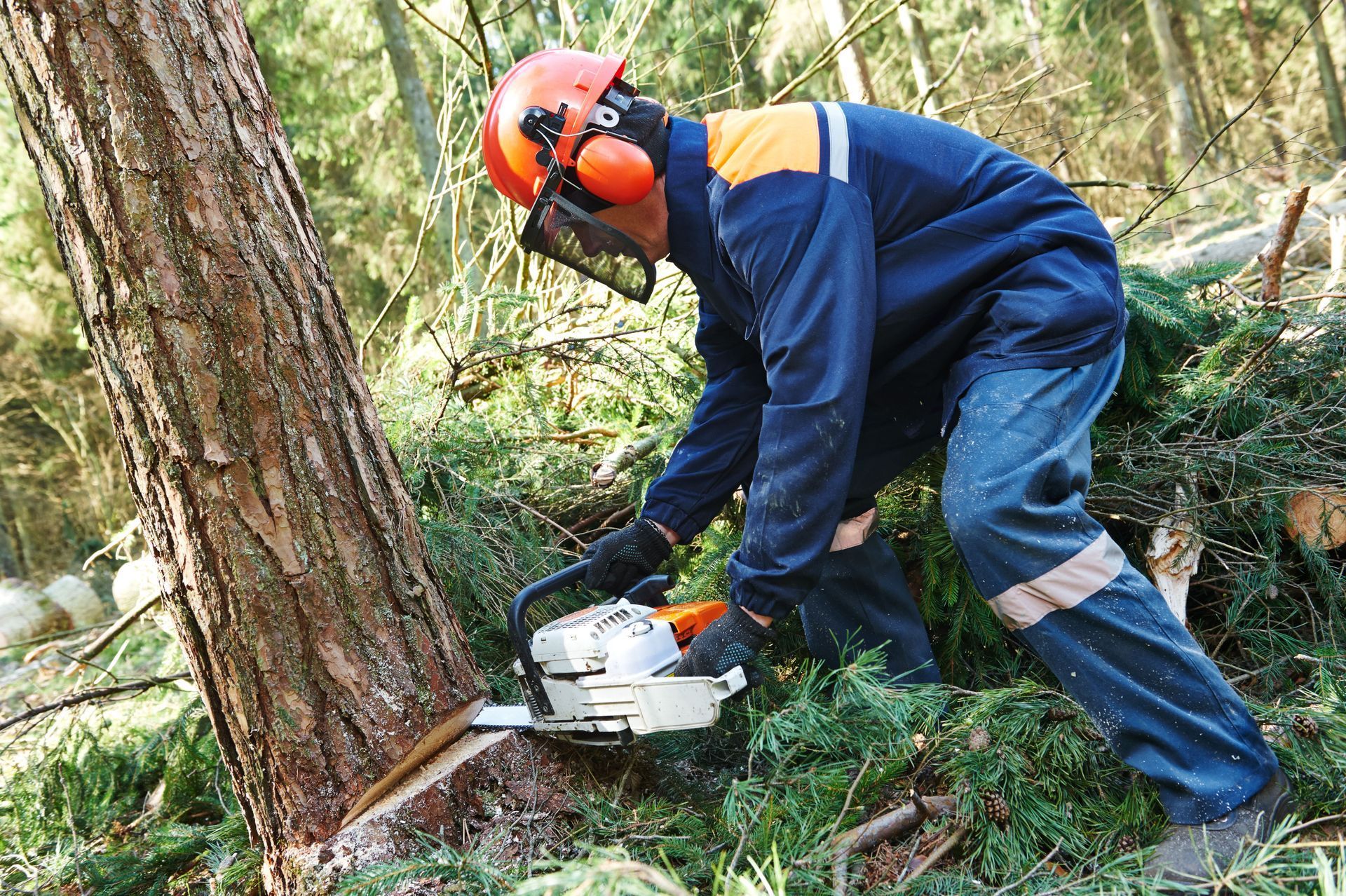
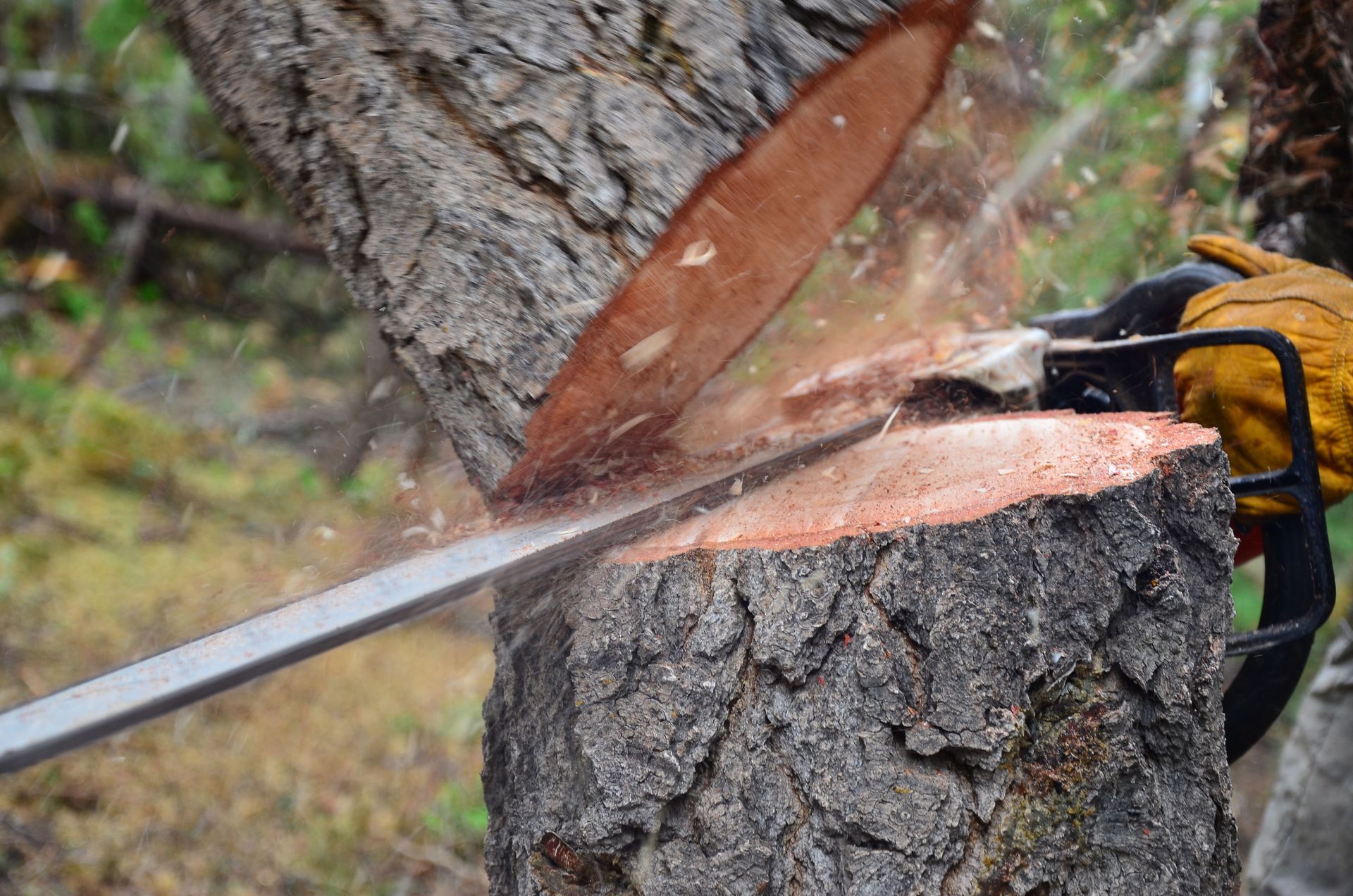
The tree removal process may involve cutting and sectioning the tree, particularly when working with large or dangerous trees. Professional removal focuses on completing the work safely while addressing the conditions around the tree and surrounding property. The approach can vary according to the tree and the circumstances of the property.
Storm-damaged, hazardous, dead, or dying trees may require removal when their condition creates concerns for the property. Emergency situations can also require prompt attention, particularly when a tree or damaged branches present an immediate hazard. Professional local tree removals can address these situations when a tree needs to be taken down.
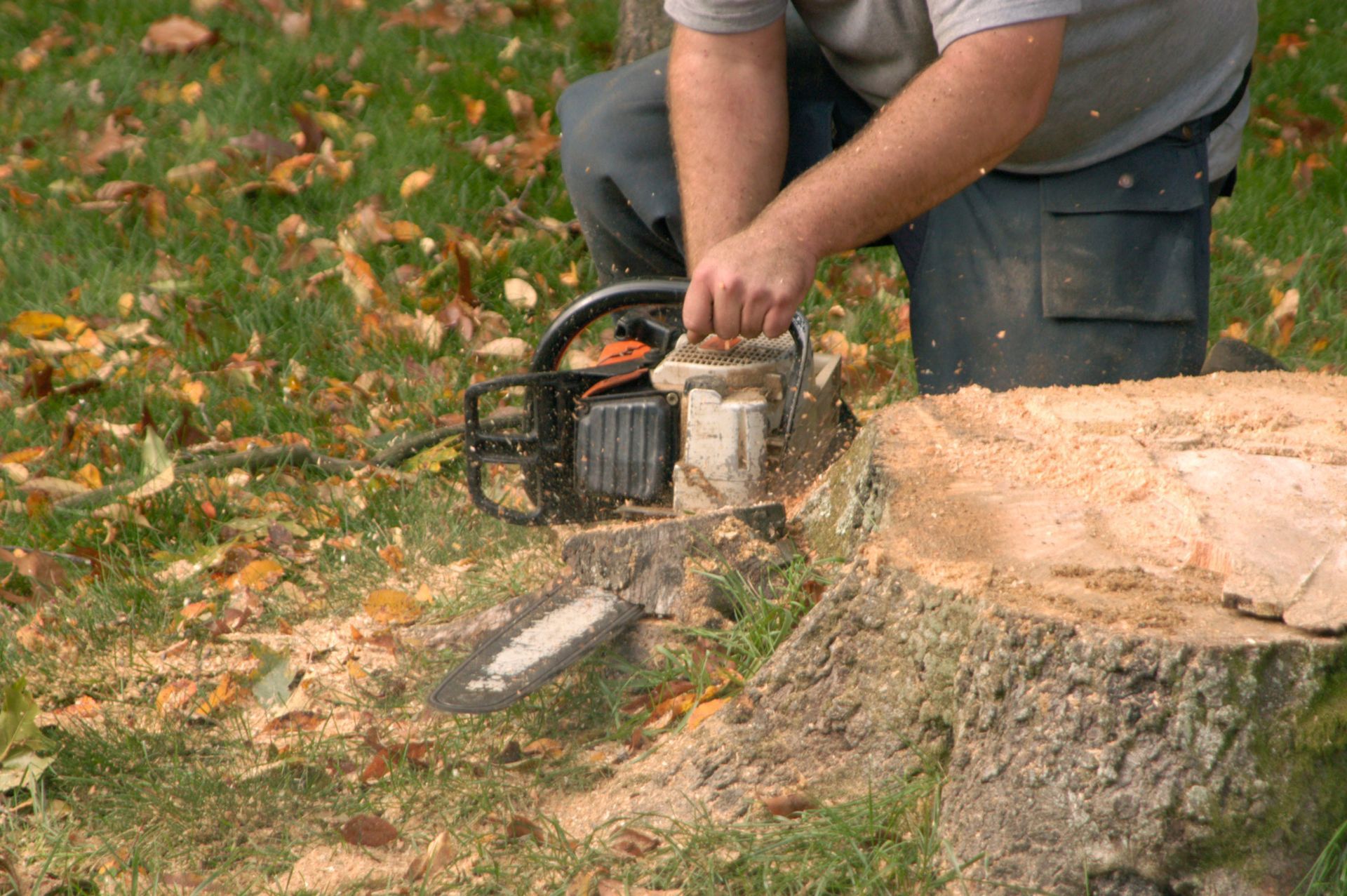
Once the tree has been removed, related services can address what remains on the property. Stump grinding, stump removal, debris hauling, cleanup, and site restoration can all be considered depending on the needs of the project. These services can help return the affected area to a cleaner and more usable condition.
4. Useful Tree Care Alternatives
Maintain Trees With Pruning
Tree trimming and pruning can serve as alternatives to full removal in situations where a tree can remain on the property. These services involve addressing selected portions of a tree rather than removing the entire tree. They can help manage hazardous or overgrown branches while maintaining the existing landscape.
Professional tree trimming and pruning services can include seasonal maintenance, hazardous branch removal, shaping, topping, and lacing. The appropriate service depends on the tree and the property's needs. These options can provide alternatives to local tree removals when complete removal is not necessary.
Regular attention can also help property owners maintain the appearance of their trees and address branches that have become problematic. When complete removal is not necessary, targeted tree care may provide a way to manage the existing landscape. Discussing the tree's condition with a professional can help determine which service is appropriate.
Remove Existing Stumps
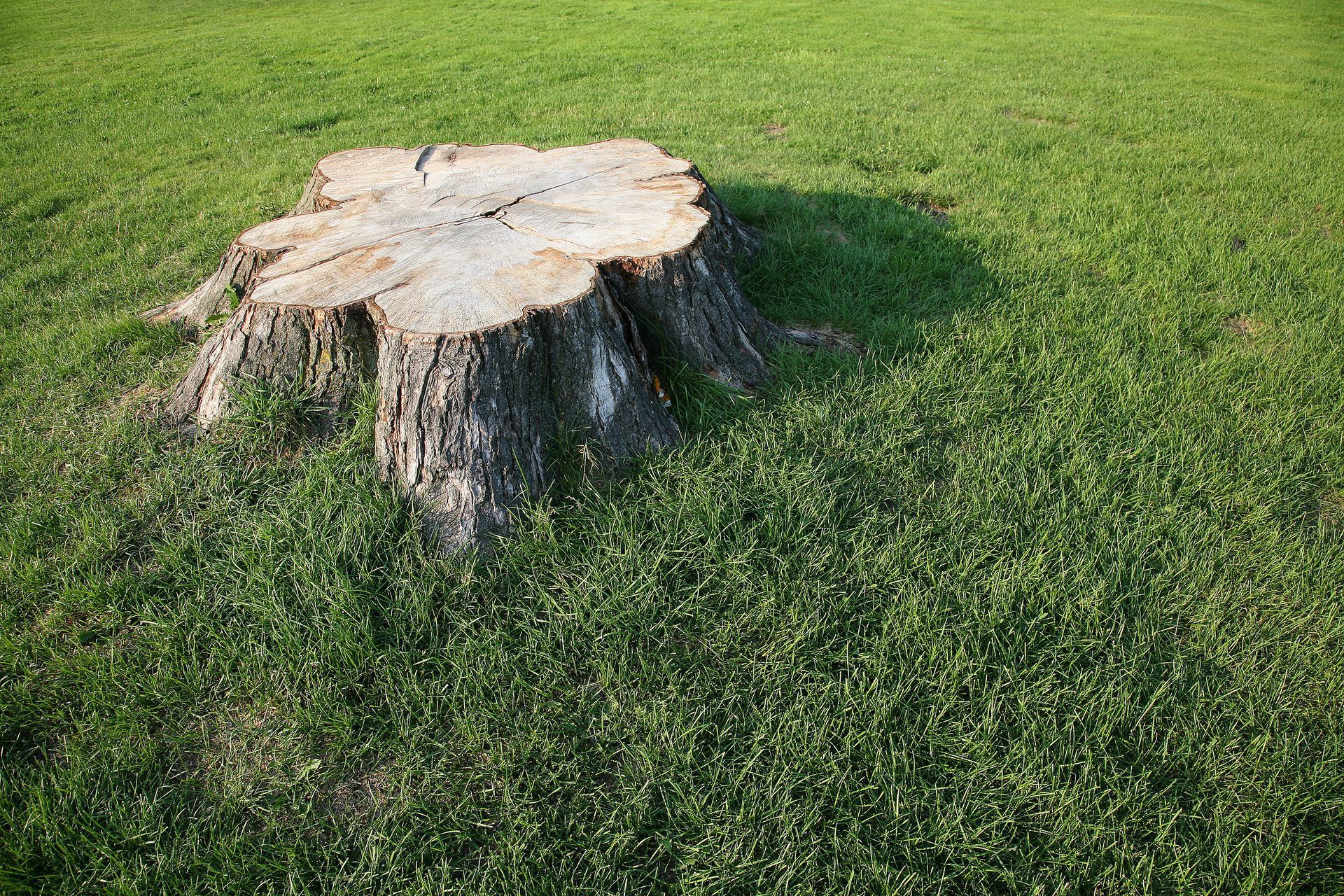
Stump services can address what remains after a tree has been removed. Stumps can take up usable yard space, interfere with landscaping plans, and create obstacles around the property. They may also attract pests and insects.
Stump grinding can reduce a stump and create mulch, while complete stump removal addresses the stump and root system more extensively. The appropriate option depends on how the property owner plans to use the area afterward. Either service can help clear space following local tree removals.
Tree Busters offers tree care, stump services, landscaping, hardscaping, masonry, and emergency tree services for residential and commercial properties throughout Cape Cod and surrounding communities, so property owners can learn more about our available services and find an appropriate solution for their property.